Successful Solutions Professional Development LLC
  • Unit 2 Home Page
    • About Us
    • About the Trainers
    • Blog
    • CDA Credentialing Process
    • CDA Success Stories
    • CDA Course Synopses ​
    • What is a CDA?
  • Enroll Now
  • Student Log-In
  • Contact Us
  • Virtual Classroom
    • Unit 1
    • Unit 2
    • Unit 3
    • Unit 4
    • Unit 5
    • Unit 6
    • Unit 7
    • Unit 8
Sentry Page Protection
Please Wait...
Unit 2 Student Login Unit 2 Student Login Hi, (First Name) Member Area | Log Out
Unit 2 Student Login
Welcome, (First Name)!

Forgot? Show
Log In
Enter Member Area
(Message automatically replaces this text)
OK
My Profile Log Out

(Unit 2) Topic 8: Promoting Early Literacy

3 Clock Hour of Early Childhood Education
Narrative Skills and Vocabulary

​Topic 8 Page 10

Storytime gives children a wealth of literacy exposure by learning new vocabulary, hearing a narration, and being exposed to auditory information. ​
Storytime is a common occurrence in early childhood programs worldwide and can be supported in the literacy center. Children listen to the stories, learn the meaning of the words and phrases and develop a deeper understanding of the subject matter.
​For example, in the story The Little Red Hen children are understanding the pattern and structure of the story as well as the different characters and their roles in the literature. Often after just a few storytime readings of this book children can retell it with great accuracy. Build upon this in the literacy center as much as possible!
Picture
Activities to support narrative skills:
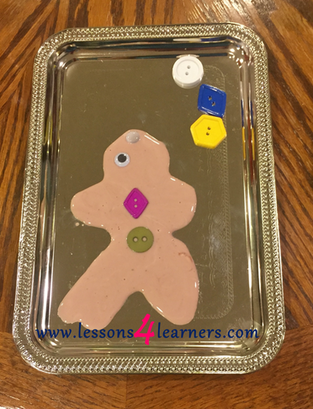
Gingerbread Man Slime

http://www.lessons4learners.com/gingerbread-man-slime.html

Picture
Activities to support narrative skills:
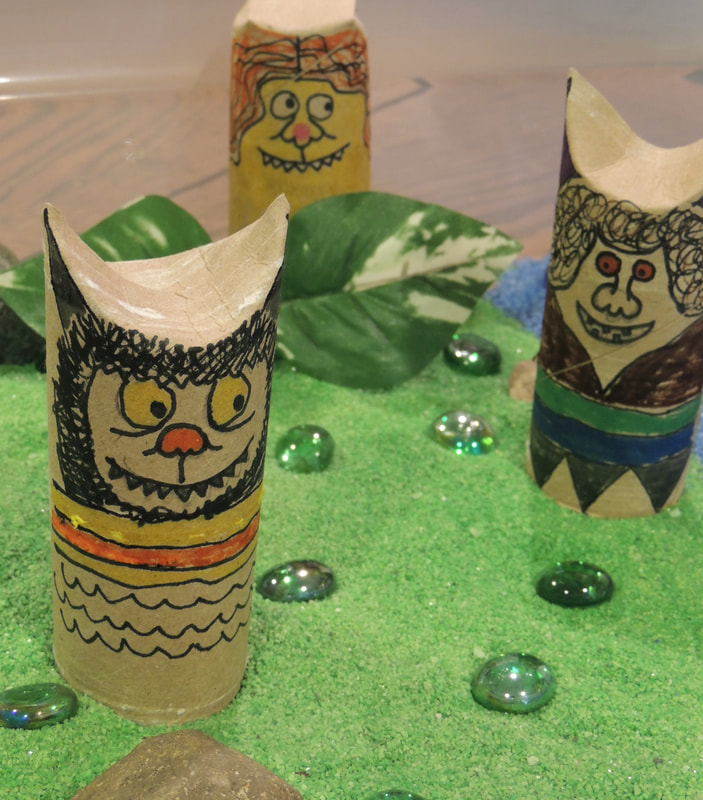
Where the Wild Things Are Small World

http://www.lessons4learners.com/where-the-wild-things-are-small-world.html

New vocabulary skills can be learned by exercising the use of these words and having repeated exposure to them. Storytime can also assist in vocabulary development, however more must be done to cement the definitions of new words. Using them in everyday conversation, during circle time, and during regular activities and lesson plans are all good choices.​
​Using the new vocabulary in the literacy centers is another wonderful opportunity to get the practice and mastery of new vocabulary. Simple literacy activities such as matching words to pictures, retelling parts of stories with new vocabulary words, and using the words as parts of games or activities will help the acquisition of new vocabulary concepts.
Activity to support vocabulary acquisition:
Activity: Charlotte’s Web Vocabulary
Ages: 3-6 
Materials:
  • Magnet letters
  • Construction paper spider webs
  • Cookie Sheet
Procedure:
  1. Read Charlotte’s Web to your students over the course of several weeks. Throughout the reading process, introduce the Charlotte’s Web Vocabulary activity with words from the book.
  2. Students should spell the words (with prompting from teacher or vocabulary cards) using the provided materials.
  3. Add activities that allow children to label things and learn the names and words for certain items or parts of items. For example, select a small set of words for children to learn and become comfortable with. Choose activities that incorporate the reading, writing, spelling, and recognition of these words.
Picture
Activities to support narrative skills:
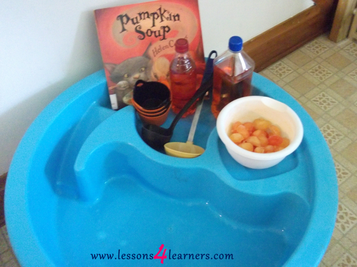
Pumpkin Soup

http://www.lessons4learners.com/pumpkin-soup-p.html

Picture
Picture
(Unit 2) Topic 8: Promoting Early Literacy * Navigation Menu
Picture
Picture
Picture
Picture
Picture
Picture
Picture
Picture
Picture
Picture
Picture
Picture
Picture
Picture
Picture
Picture
Picture
Picture
Picture
Picture
Picture
Picture
Picture
Picture
Picture
Picture

Successful Solutions Training in Child Development
Address: PO Box 727, Burley, WA 98322-0727  * www.mycdaclass.com
Copyright 2017.  Successful Solutions Professional Development LLC.  * All Rights Reserved. Updated JULY 1, 2017

Successful Solutions Professional Development LLC BBB Business Review

Enrollment Hours

Monday - Friday          7  am – 8  pm 
Saturday & Sunday     9  am – 8  pm
Holidays                       9  am – 8  pm

Telephone

(360) 602-0960 

Email

[email protected]
Registrations that are submitted after enrollment hours will be processed the next morning.  You will receive an email with your log-in information to access the course within an hour after we open the next business day.
  • Unit 2 Home Page
    • About Us
    • About the Trainers
    • Blog
    • CDA Credentialing Process
    • CDA Success Stories
    • CDA Course Synopses ​
    • What is a CDA?
  • Enroll Now
  • Student Log-In
  • Contact Us
  • Virtual Classroom
    • Unit 1
    • Unit 2
    • Unit 3
    • Unit 4
    • Unit 5
    • Unit 6
    • Unit 7
    • Unit 8