Successful Solutions Professional Development LLC
  • Unit 2 Home Page
    • About Us
    • About the Trainers
    • Blog
    • CDA Credentialing Process
    • CDA Success Stories
    • CDA Course Synopses ​
    • What is a CDA?
  • Enroll Now
  • Student Log-In
  • Contact Us
  • Virtual Classroom
    • Unit 1
    • Unit 2
    • Unit 3
    • Unit 4
    • Unit 5
    • Unit 6
    • Unit 7
    • Unit 8
Sentry Page Protection
Please Wait...
Unit 2 Student Login Unit 2 Student Login Hi, (First Name) Member Area | Log Out
Unit 2 Student Login
Welcome, (First Name)!

Forgot? Show
Log In
Enter Member Area
(Message automatically replaces this text)
OK
My Profile Log Out

(Unit 2) Topic 7: Music and Movement

2 Clock Hours of Early Childhood Education
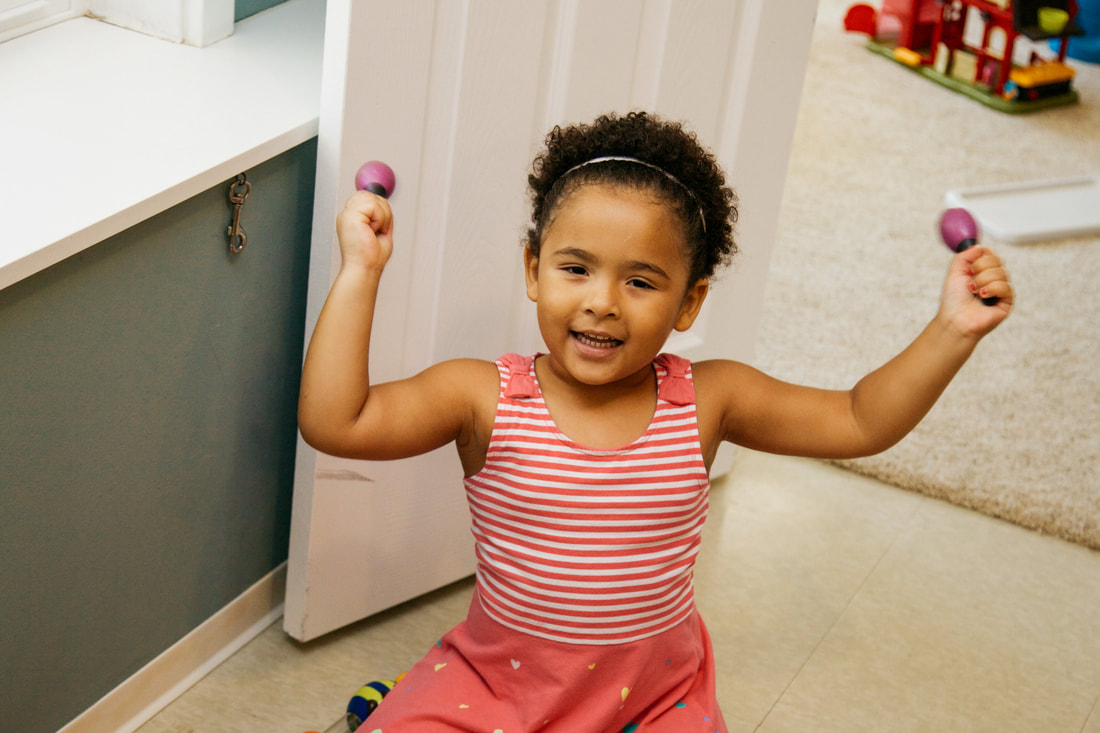
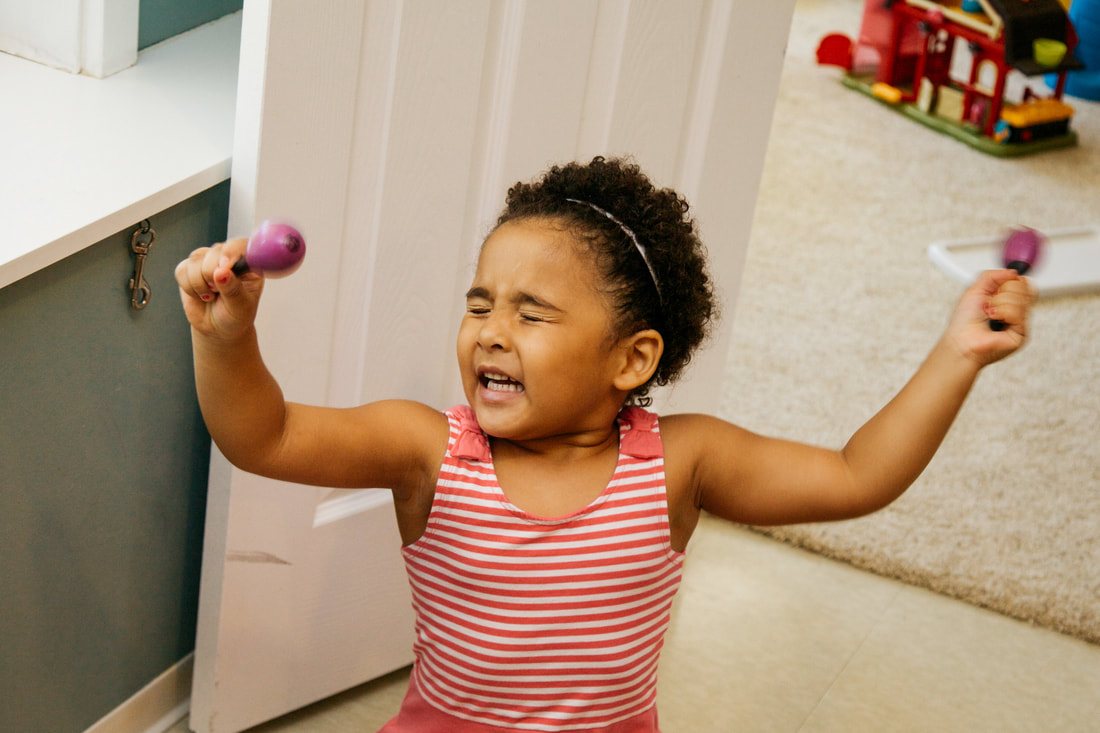
Hey, Get Rhythm

​Topic 7 Page 10

Picture
Debbie Hasbrook, M. Ed.
Furthermore, Debbie contends that:
​"There are also relevant and authentic ways to explore rhythm throughout the day. Helping children find rhythm and cycle in nature, their environment, and their bodies can be done throughout the day, indoors and outdoors. Helping children notice, observe, and copy the rhythms they hear in nature helps with social emotional development, mindfulness, environmental awareness, and resilience.”

Some examples that Debbie points out are:
  • Listening to raindrops as they hit the ground.
  • Listening to a branch tap against a window.
  • Listening to a babbling brook as it is dancing over rocks.
  • Listening to a bird peck at a tree.
  • The sound of a cricket singing its song.
  • The sound of a wind chime struck by a gust of wind, and as the rhythm slows down to a gentle jingle.
  • Listening to their heartbeats.
  • Awareness of breathing.
  • Walking in the snow, or a leafy path.
Picture
Likewise, Debbie explains that the classroom environment is filled with the rhythms of children at play. This includes:
  • The clip clop clip clop of children walking in dress-up shoes.
  • The tap tap of hammers hitting pegs in the building area.
  • The drip drip of the water faucet.
  • The tic tic tic of the clock.
  • The ding dong sound of the door alarm.
Picture
Debbie also mentions that;
​
“Children have been surrounded by rhythm since before they were born. Helping children become aware of all the rhythms surrounding them and connecting these experiences to organized musical instruction helps children with all elements of development. Music supports brain development, because the whole brain is activated when playing an instrument or otherwise engaging in musical activities where movement is involved.”  ​
Picture
Picture
(Unit 2) Topic 7: Music and Movement * Navigation Menu
Picture
Picture
Picture
Picture
Picture
Picture
Picture
Picture
Picture
Picture
Picture
Picture
Picture
Picture
Picture
Picture
Picture
Picture
Picture

Successful Solutions Training in Child Development
Address: PO Box 727, Burley, WA 98322-0727  * www.mycdaclass.com
Copyright 2017.  Successful Solutions Professional Development LLC.  * All Rights Reserved. Updated JULY 1, 2017

Successful Solutions Professional Development LLC BBB Business Review

Enrollment Hours

Monday - Friday          7  am – 8  pm 
Saturday & Sunday     9  am – 8  pm
Holidays                       9  am – 8  pm

Telephone

(360) 602-0960 

Email

[email protected]
Registrations that are submitted after enrollment hours will be processed the next morning.  You will receive an email with your log-in information to access the course within an hour after we open the next business day.
  • Unit 2 Home Page
    • About Us
    • About the Trainers
    • Blog
    • CDA Credentialing Process
    • CDA Success Stories
    • CDA Course Synopses ​
    • What is a CDA?
  • Enroll Now
  • Student Log-In
  • Contact Us
  • Virtual Classroom
    • Unit 1
    • Unit 2
    • Unit 3
    • Unit 4
    • Unit 5
    • Unit 6
    • Unit 7
    • Unit 8